Daniel. I say your name every day when I put your neck chain on. You left it in the car. It is chunky and silver and plain, and a constant tactile and visual reminder of you. It’s with me everywhere I go.

You’ve been gone three years now and for me the worst has passed. I took a winter off work and sat alone in my sadness. I had to. I didn’t just lose you, I lost how things might have been, how things were supposed to be. I had to grieve for that too. It took me a while to realise this, and to make peace with how I simply have no control over so many things in life and in death — most of it is in the hands of God, or fate, or however else people choose to frame this beautiful, terrifying existence we are all born into.

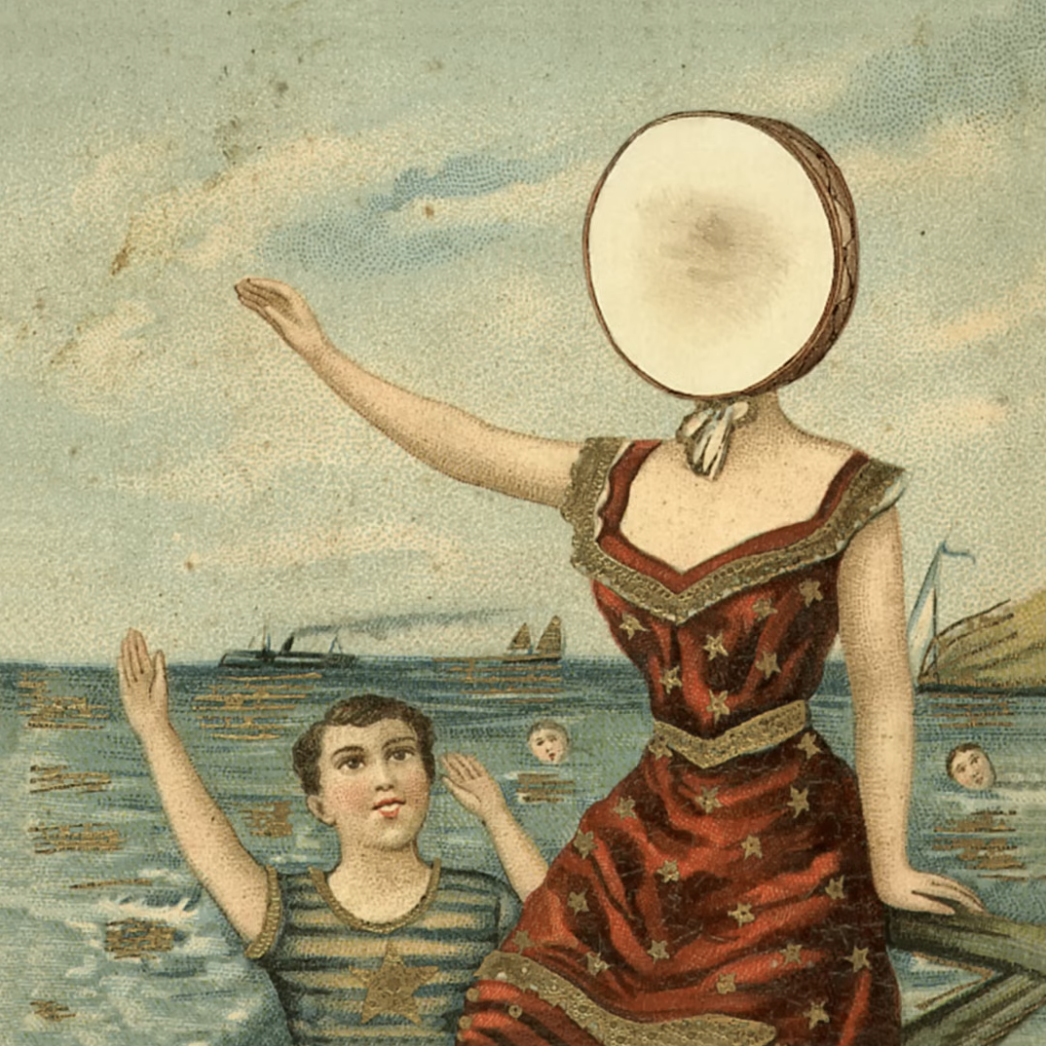
This is one of my favourite photos of you. You’re aged eight or nine, and we’re on the very beach where you would disappear a decade later. I will never go back there. You’re here with me, around my neck, in my chest. Daniel. My sweet boy. I miss you.

I’m part way through Spartacus and it’s like watching a really long oil painting with an incredible chin. 🍿

Guillermo del Toro:

A notebook is a reliquary, a time capsule and a confidant, but more than anything, it is an involuntary portrait of who we are.

My neighbour, who is Serbian, gave me a big piece of her daughter’s left-over birthday cake. It is Serbian too, and delicious, and now it is all gone. 🎂

Kakeibo (n) Japanese

A physical, hand-written household ledger; a mindful financial management method.

Finished reading The Shipping News by E. Annie Proulx. 📚

Joan Didion on keeping a notebook. pdfobjects.com

The point of my keeping a notebook has never been, nor is it now, to have an accurate factual record of what I have been doing or thinking. That would be a different impulse entirely, an instinct for reality which I sometimes envy but do not possess. At no point have I ever been able successfully to keep a diary; my approach to daily life ranges from the grossly negligent to the merely absent, and on those few occasions when I have tried dutifully to record a day’s events, boredom has so overcome me that the results are mysterious at best. What is this business about “shopping, typing piece, dinner with E, depressed”? Shopping for what? Typing what piece? Who is E? Was this “E” depressed, or was I depressed? Who cares?

Tsundoku (n) Japanese

The act of buying books and leaving them unread, often piled together with other unread books.